
BUILDING UNDERSTANDING THROUGH DATA: YEAR THREE FINDINGS FROM THE EQUITY AND INCLUSION DATA INITIATIVE
The Equity and Inclusion Data Initiative continues to provide valuable information of the diversity represented within the social work and social service work professions in comparison to the Ontario public it serves. This initiative allows the College to consider year-over-year insights that support its commitment to equity, diversity and inclusion.
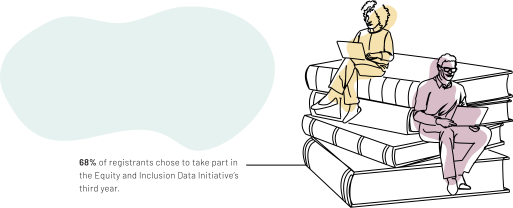
During the third year of the initiative, approximately 68% of registrants voluntarily participated, providing valuable demographic information that will help inform the College’s ongoing equity initiatives and evidence-based decision-making. While participation is voluntary and the findings do not represent every registrant, the data builds upon an important foundation for understanding the professions we regulate.
Explore the key findings and trends from the data collected during the 2026 renewal period below.
Our Third Year in Numbers: What the Data Reveals
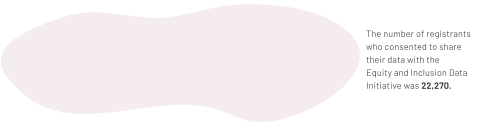
Data from Year Three of the initiative showed similar distribution of demographics as the data from years one and two. For more information, view the Equity and Inclusion Data Initiative Findings from Year One and Year Two.
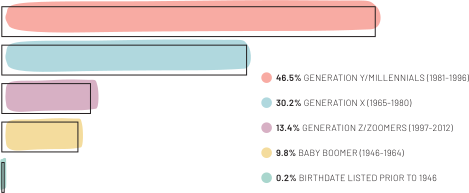
Age of Registrants by Generation
Indigenous Identity: Ontario Comparison
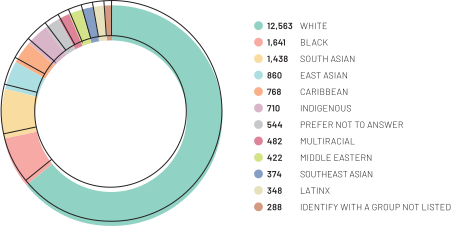
Racial Identity
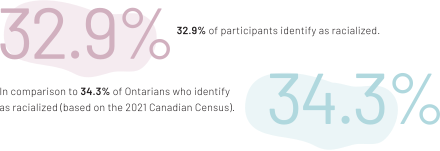
RACIAL IDENTITY: ONTARIO COMPARISON
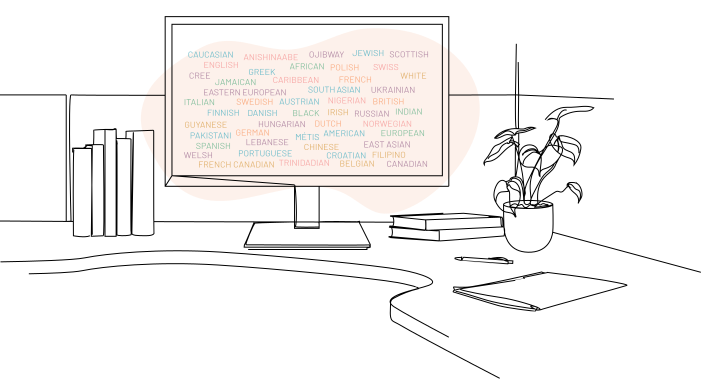
Ethnic Identity: top 50
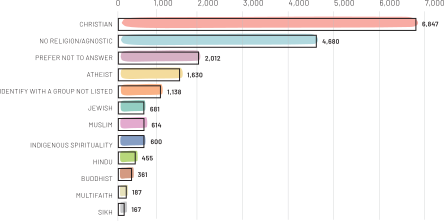
Religious and Spiritual Affiliation
Languages Spoken, Other than English or French
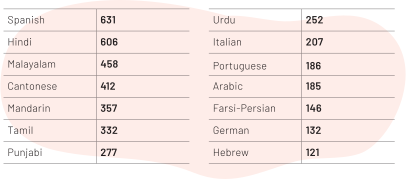
5,122 respondents shared that they are proficient in a language outside of English or French. There are over 120 language proficiencies among participants.
The most common languages participants are proficient in are:
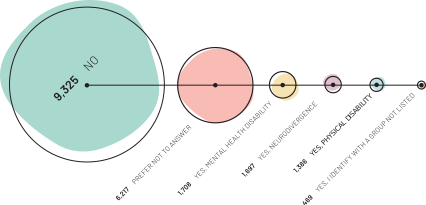
Persons with a Disability
Types of Disabilities
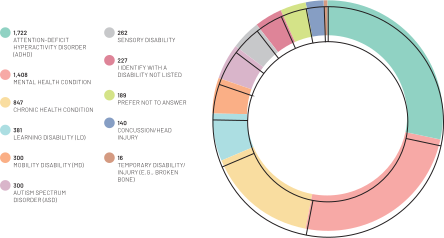
Registrants who participated identified with
the following types of disabilities:
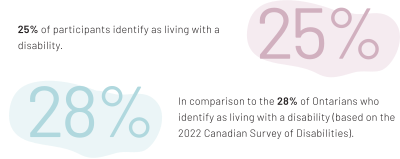
Disability Types: Ontario Comparison
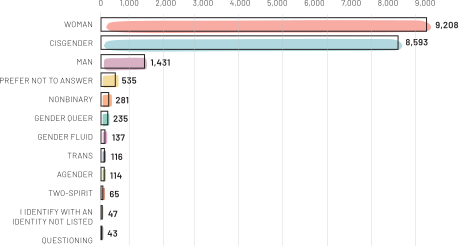
Gender Identity
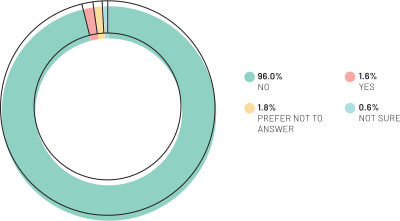
Trans Identity
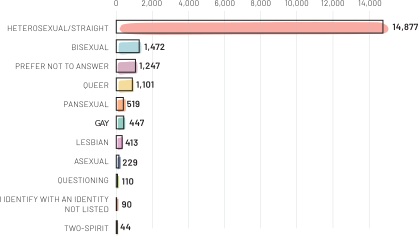
Sexual Orientation
Building Understanding Through Data
As we continue building on the first three years of data, the College is engaging with educators, professional associations, government partners and other interested parties to better understand emerging trends, address systemic barriers and support meaningful equity initiatives that strengthen public protection.